



Traditionally, emotions have been considered to be primarily influenced by psychological factors and neurotransmitters in the brain. In recent years, research in nutritional psychiatry has suggested that there is a close, two-way relationship between our dietary patterns and mental well-being. This relationship is partly explained by the “gut-brain axis”, a two-way communication network connecting the digestive system and the brain. The gut does more than digest food. It is sometimes referred to as the body’s “second brain” and is involved in the production of around 90% of the body’s serotonin, a neurotransmitter associated with mood regulation and other bodily functions.
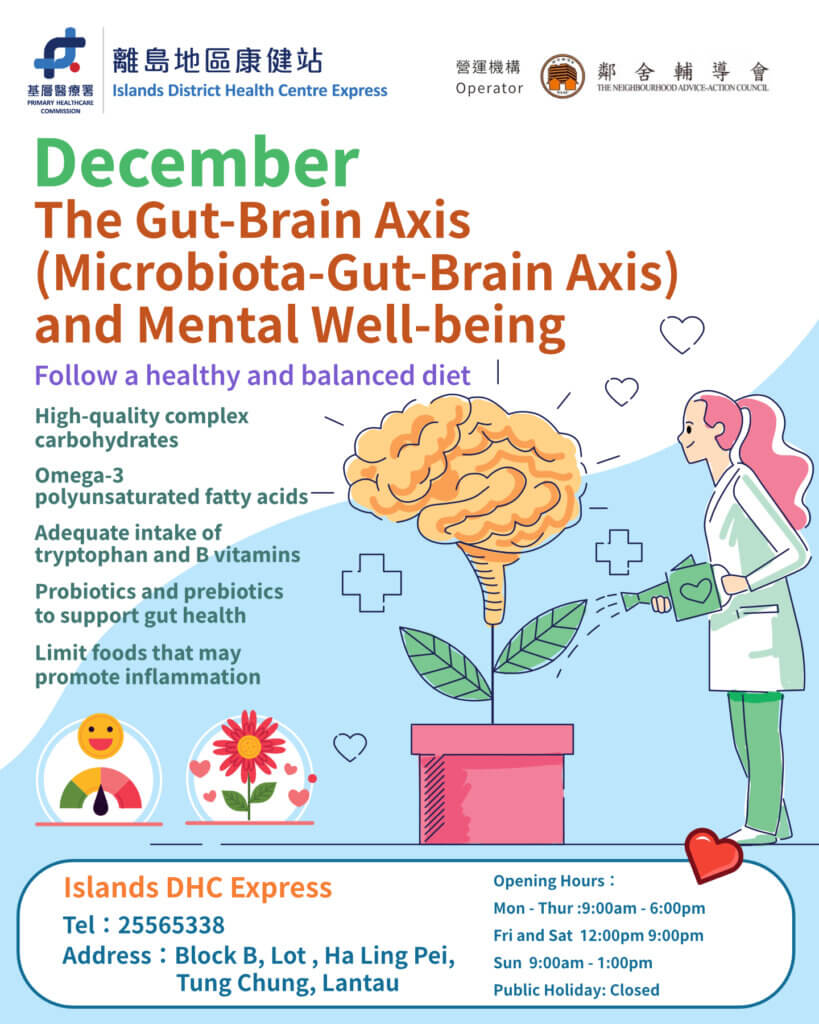
To support mental well-being, attention may be given to the following nutrients and dietary components as part of a healthy and balanced diet:
- High-quality complex carbohydrates:
Whole grains, such as oats and brown rice, provide a steadier supply of glucose and may help reduce substantial fluctuations in blood glucose levels that can contribute to irritability and tiredness. Carbohydrates also help facilitate the transport of tryptophan into the brain, where it is used in the production of serotonin.
- Omega-3 polyunsaturated fatty acids:
Oily fish, such as salmon and mackerel, as well as flaxseeds and walnuts, are dietary sources of omega-3 fatty acids. Fish are particularly rich in eicosapentaenoic acid (EPA) and docosahexaenoic acid (DHA). Research suggests that omega-3 fatty acids may support brain health and help regulate inflammatory processes. However, they should not be regarded as a substitute for professional assessment or treatment for depression or other mental health conditions.
- Adequate intake of tryptophan and B vitamins:
Tryptophan is a building block used by the body to produce serotonin. It is found in foods such as chicken, eggs, dairy products and legumes. B vitamins, particularly vitamin B6, folate and vitamin B12, also play important roles in the normal functioning of the nervous system and in processes involved in neurotransmitter production.
- Probiotics and prebiotics to support gut health:
Fermented foods containing probiotics, such as unsweetened yoghurt and kimchi, may help support a healthy gut microbiome. Eating a variety of fruit, vegetables, legumes and whole grains also provides dietary fibre and prebiotics that support beneficial gut bacteria. Maintaining a diverse gut microbiome may support communication along the gut-brain axis. However, the relationship between specific foods, gut bacteria and mood is complex and continues to be studied.
- Limit foods that may promote inflammation:
Limit the consumption of highly processed foods and foods high in refined sugar, trans fat, saturated fat or salt. Regularly consuming these foods may contribute to an unhealthy dietary pattern and may adversely affect both physical and mental well-being. A healthy and balanced diet can support mental well-being by providing the nutrients needed for the normal functioning of the brain, nervous system and digestive system. However, dietary measures are supportive in nature and should not replace professional assessment or treatment. If emotional distress persists or affects your daily life, please seek advice from a healthcare professional.
Featured Activity:
Islands DHC Express Activities Booklet (October-December 2026)
- Eating Well for Brain Health (Page 25)
Reference: Jockey Club “Embracing Health” Chinese Medicine Programme
 World Diabetes Day in November
 »
»